The Collection

The Artifact Room

33 discoveries that bring Scripture and history to life.

Browse by Type

View All ›

Recently Unearthed

Seal of Isaiah
c. 700 BC · found 2018
If the reading 'prophet' is correct, this is the first and only extra-biblical reference to the prophet Isaiah ever discovered. Either way, its find-spot next to Hezekiah's seal in the exact archaeological layer of the Assyrian crisis provides remarkable material support for the biblical narrative of king and prophet functioning together in Jerusalem.
Megiddo Mosaic
c. AD 230 · found 2005
Potentially the oldest Christian worship space ever discovered, predating Constantine's legalization of Christianity. The inscription 'to the God Jesus Christ' is one of the earliest archaeological attestations of Christian worship of Jesus as God, and the centurion donor suggests that even Roman soldiers were converting to Christianity before it was legal.
Pool of Siloam
c. 8 BC · found 2004
Confirms a specific location mentioned in the Gospel of John, demonstrating that the author had accurate topographical knowledge of pre-destruction Jerusalem. The pool's large size and ritual function align perfectly with John's account of Jesus sending the blind man to wash there.

Before the Kings5

The world of the patriarchs, Egypt, and the conquest — to c. 1050 BC
Ebla Tablets
c. 2400 BC · Tell Mardikh, Syria
Demonstrate that the cities, customs, and cultural practices described in the patriarchal narratives of Genesis were historically plausible for the time period claimed by the Bible. The Ebla archive pushed back the known history of urban civilization in Syria by more than a millennium.
Epic of Gilgamesh Flood Tablet
c. 2100 BC · Nineveh, Iraq
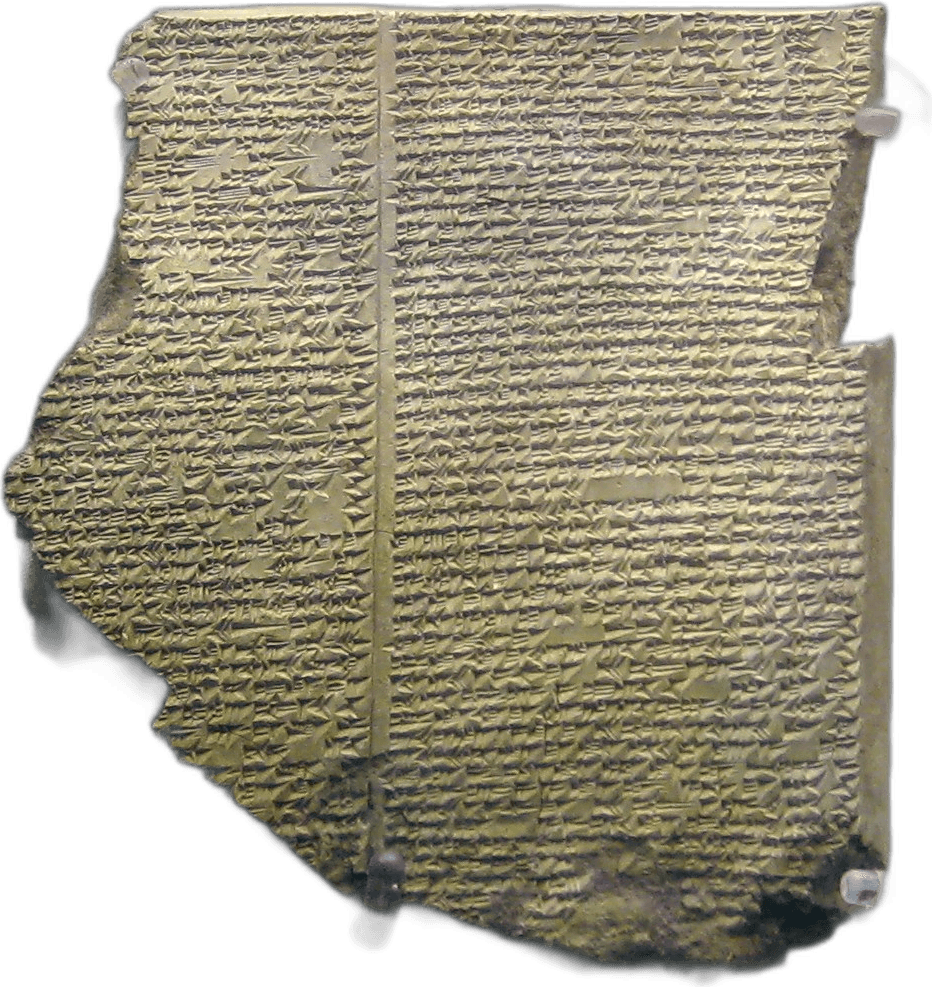
The most famous ancient Near Eastern parallel to the biblical flood narrative, demonstrating that the memory of a catastrophic deluge was deeply embedded across Mesopotamian cultures long before the biblical text was written. Flood traditions appear in cultures worldwide, from Mesopotamia to India to Native American peoples.
Code of Hammurabi◇ 3D
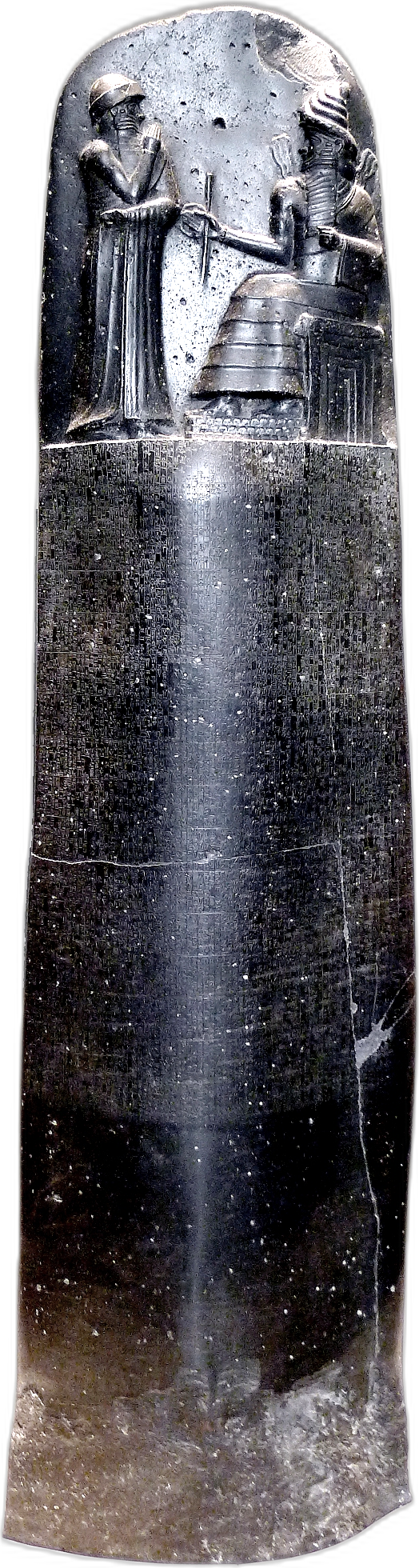
Code of Hammurabi
c. 1750 BC · Susa, Iran (originally Babylon)
Demonstrates the sophisticated legal culture of the ancient Near East during the patriarchal period and provides the most important comparative backdrop for understanding the Law of Moses. The theological differences — Hammurabi receives law from a god, while Moses mediates a covenant between Yahweh and his people — highlight the distinctive nature of biblical law.
Amarna Letters
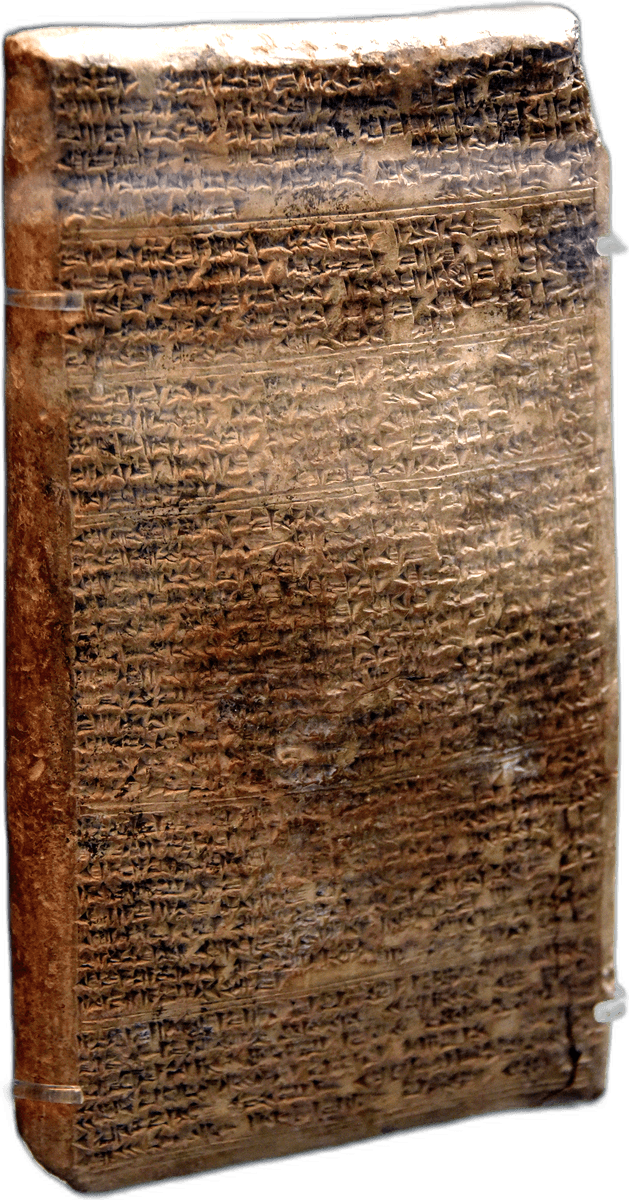
Amarna Letters
c. 1350 BC · Amarna, Egypt
Provide an invaluable snapshot of Canaan's political chaos during the period between the Exodus and Israelite settlement, with possible references to the Hebrews themselves. They confirm that Canaan was a land of small, feuding city-states under weak Egyptian oversight — exactly the conditions described in the biblical conquest narratives.
Merneptah Stele
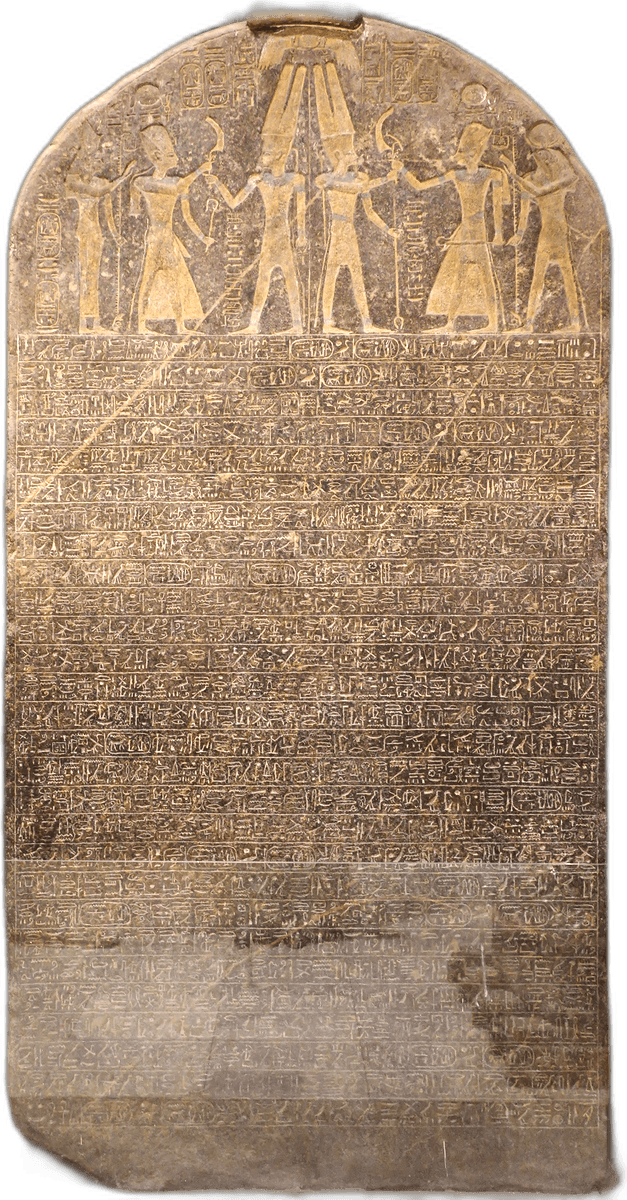
Merneptah Stele
c. 1208 BC · Thebes, Egypt
Contains the earliest extra-biblical mention of Israel, establishing that a people called Israel existed in Canaan by at least 1208 BC. This provides a crucial chronological anchor for dating the Israelite settlement and the events described in the books of Joshua and Judges.

Kings & Prophets9

The monarchy, Assyria, and Babylon — c. 1050–586 BC

Black Obelisk of Shalmaneser III◇ 3D
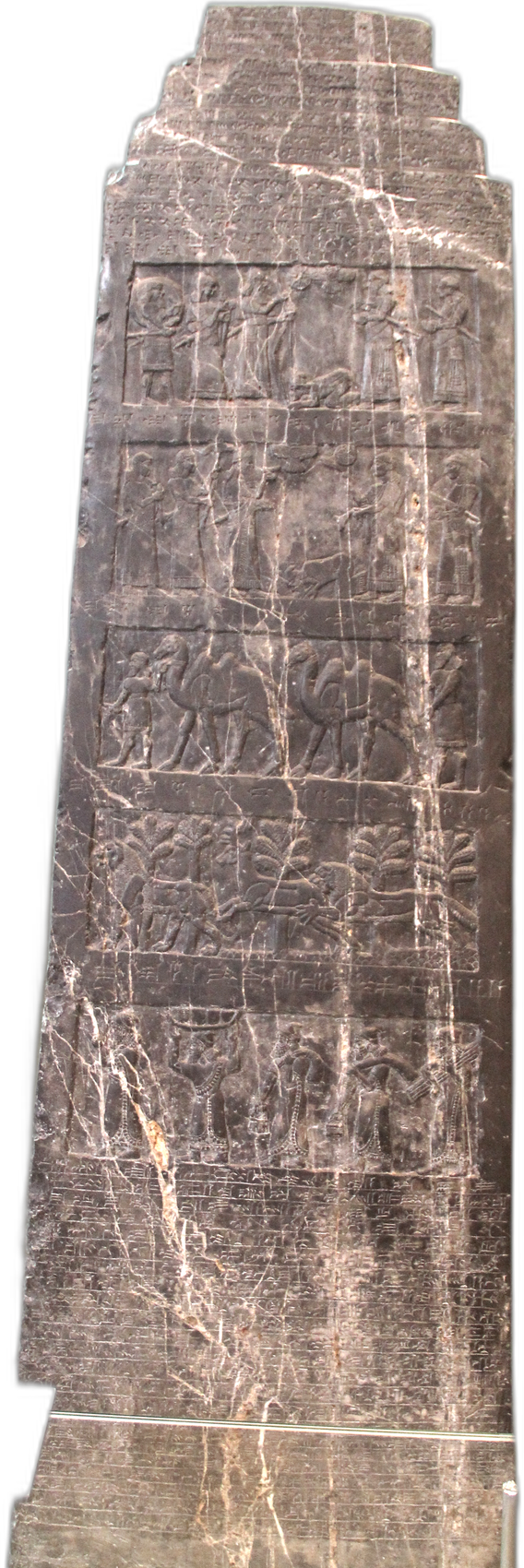
Black Obelisk of Shalmaneser III
c. 841 BC · Nimrud, Iraq
Contains the only known ancient depiction of a biblical king, showing Jehu prostrated before the Assyrian monarch. It provides crucial extra-biblical evidence for Israelite-Assyrian relations and confirms the historicity of the Israelite monarchy in the 9th century BC.
Tel Dan Stele
Tel Dan Stele
c. 840 BC · Tel Dan, Israel
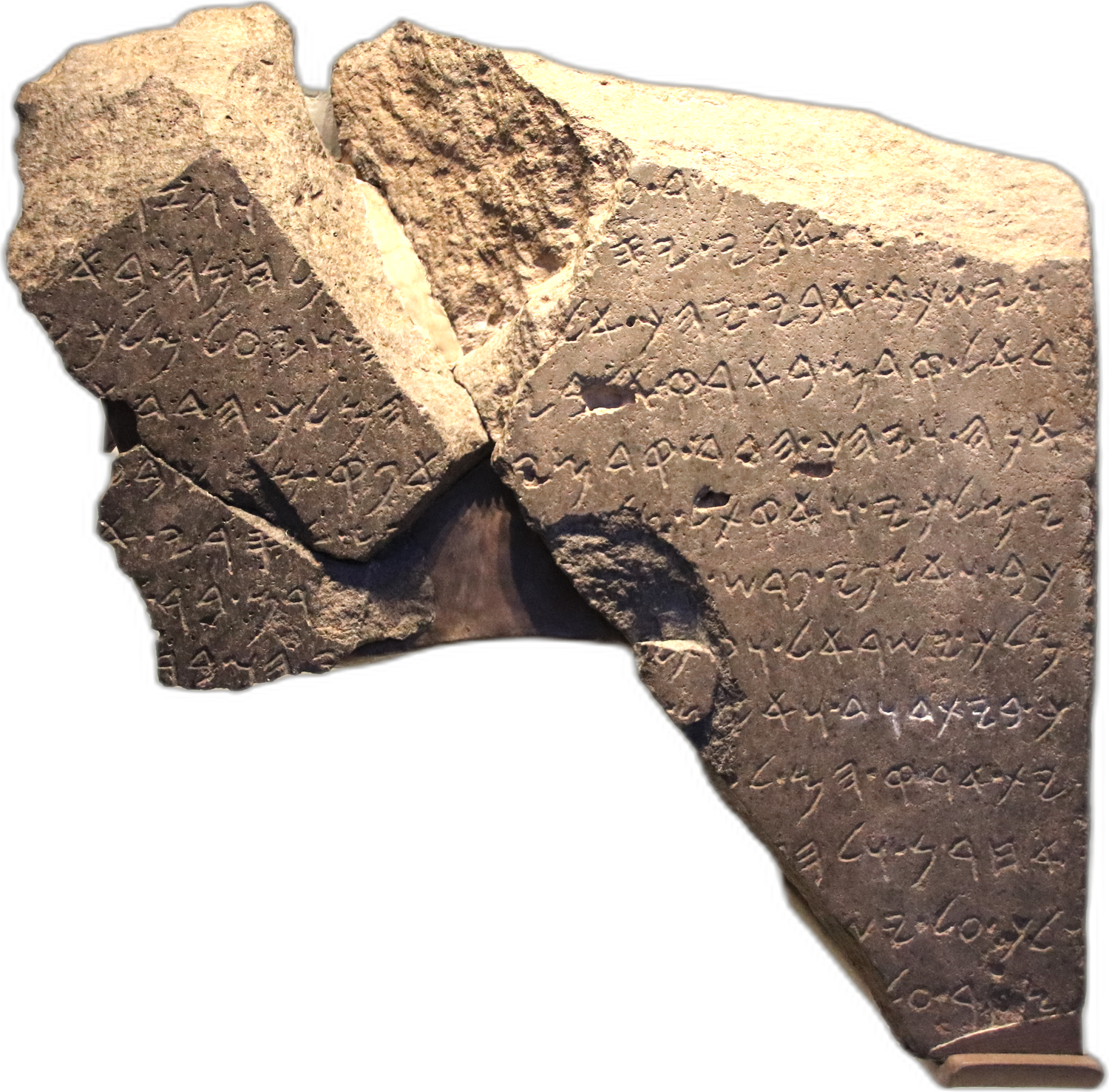
The first extra-biblical evidence confirming the existence of King David's dynasty, silencing scholarly skepticism that had questioned whether David was a historical figure. It remains one of the most important biblical archaeology discoveries of the 20th century.
Moabite Stone (Mesha Stele)
c. 840 BC · Dhiban, Jordan
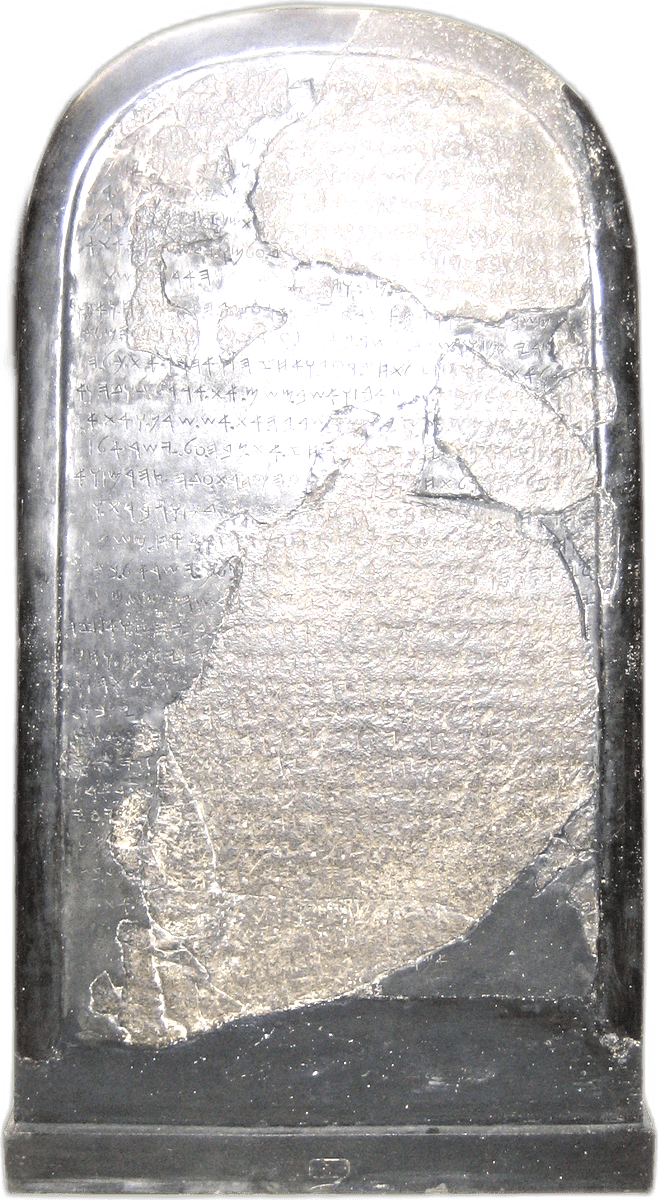
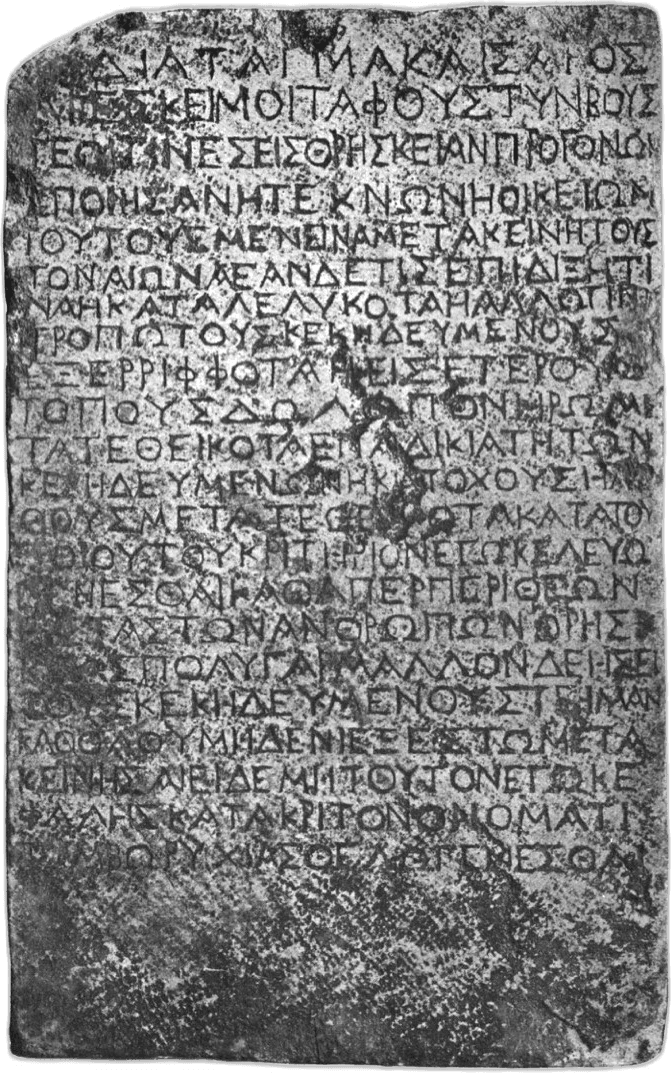
Provides remarkable corroboration of the biblical narrative of Israel's conflict with Moab, including specific details about Israelite control of Moabite territory. It is also one of the longest Iron Age inscriptions ever found in the region and contains the divine name Yahweh.
Hezekiah's Tunnel Inscription
c. 701 BC · Jerusalem, Israel
One of the most remarkable direct archaeological confirmations of a specific biblical construction project, validating the biblical account of Hezekiah's preparations against the Assyrian threat. The tunnel itself remains intact and walkable today beneath Jerusalem.
Sennacherib's Prism (Taylor Prism)◇ 3D
Sennacherib's Prism (Taylor Prism)
c. 701 BC · Nineveh, Iraq
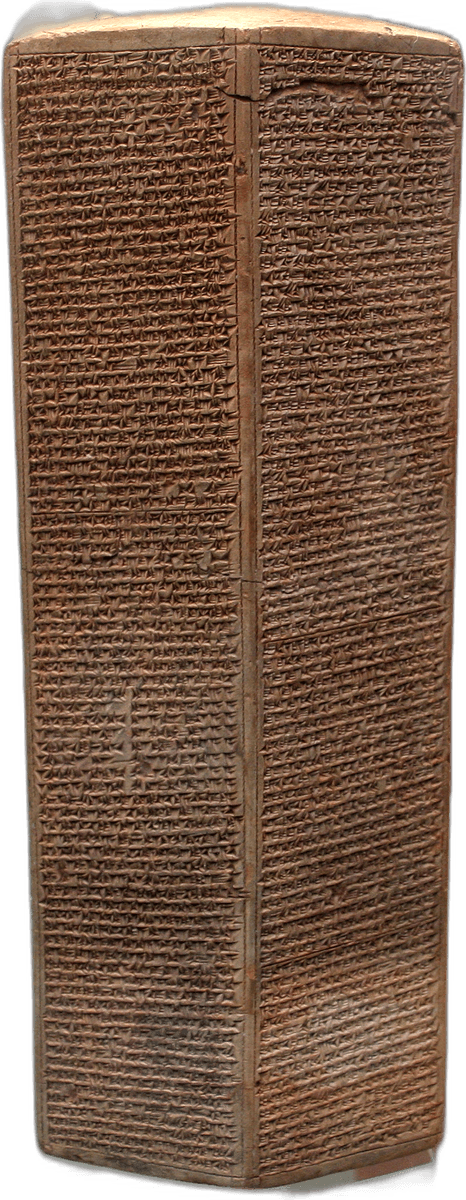
Corroborates the biblical account of Sennacherib's siege of Jerusalem from the Assyrian perspective, with Sennacherib's own record inadvertently confirming his failure to take the city. It is one of the most striking cases where an enemy king's boast actually supports the biblical narrative of divine deliverance.
S
Seal of Isaiah
c. 700 BC · Ophel, Jerusalem, Israel
If the reading 'prophet' is correct, this is the first and only extra-biblical reference to the prophet Isaiah ever discovered. Either way, its find-spot next to Hezekiah's seal in the exact archaeological layer of the Assyrian crisis provides remarkable material support for the biblical narrative of king and prophet functioning together in Jerusalem.
Siloam Inscription
c. 700 BC · Jerusalem, Israel
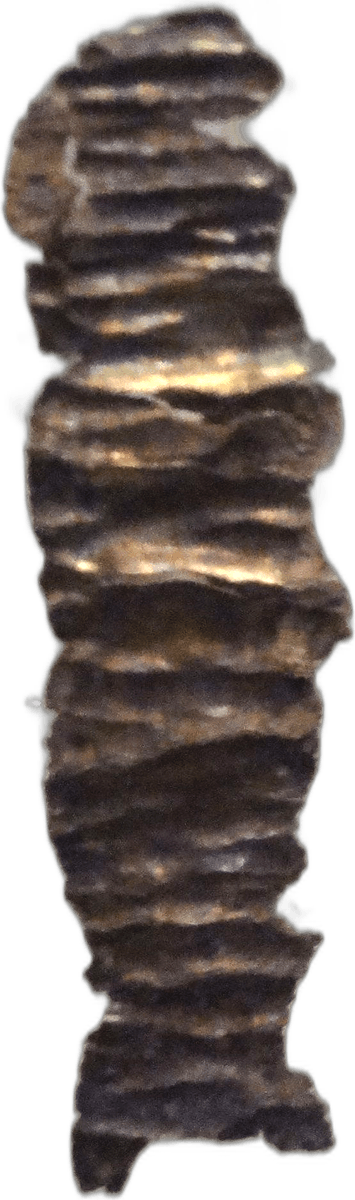
One of the most important ancient Hebrew inscriptions ever found, offering a dramatic firsthand account of the engineering feat described in 2 Kings 20:20. Its elegant prose demonstrates the high level of Hebrew literacy in Hezekiah's Judah and confirms the biblical account of the tunnel's construction.
Ketef Hinnom Scrolls◇ 3D
Ketef Hinnom Scrolls
c. 600 BC · Jerusalem, Israel
The oldest known biblical text ever discovered, providing powerful evidence that the Torah was being copied and revered as Scripture centuries before the earliest previously known manuscripts. Their use as personal amulets shows that ordinary Israelites carried God's blessing with them in daily life.
Lachish Letters
c. 588 BC · Lachish, Israel
Eyewitness military correspondence from the last days of the kingdom of Judah, written in the same Hebrew used by the biblical prophets. They bring the desperate situation described in Jeremiah vividly to life and confirm the biblical account of the Babylonian campaign against Judah's fortified cities.

Exile & Return8

Babylon, Persia, and the second temple — 586 BC to the New Testament
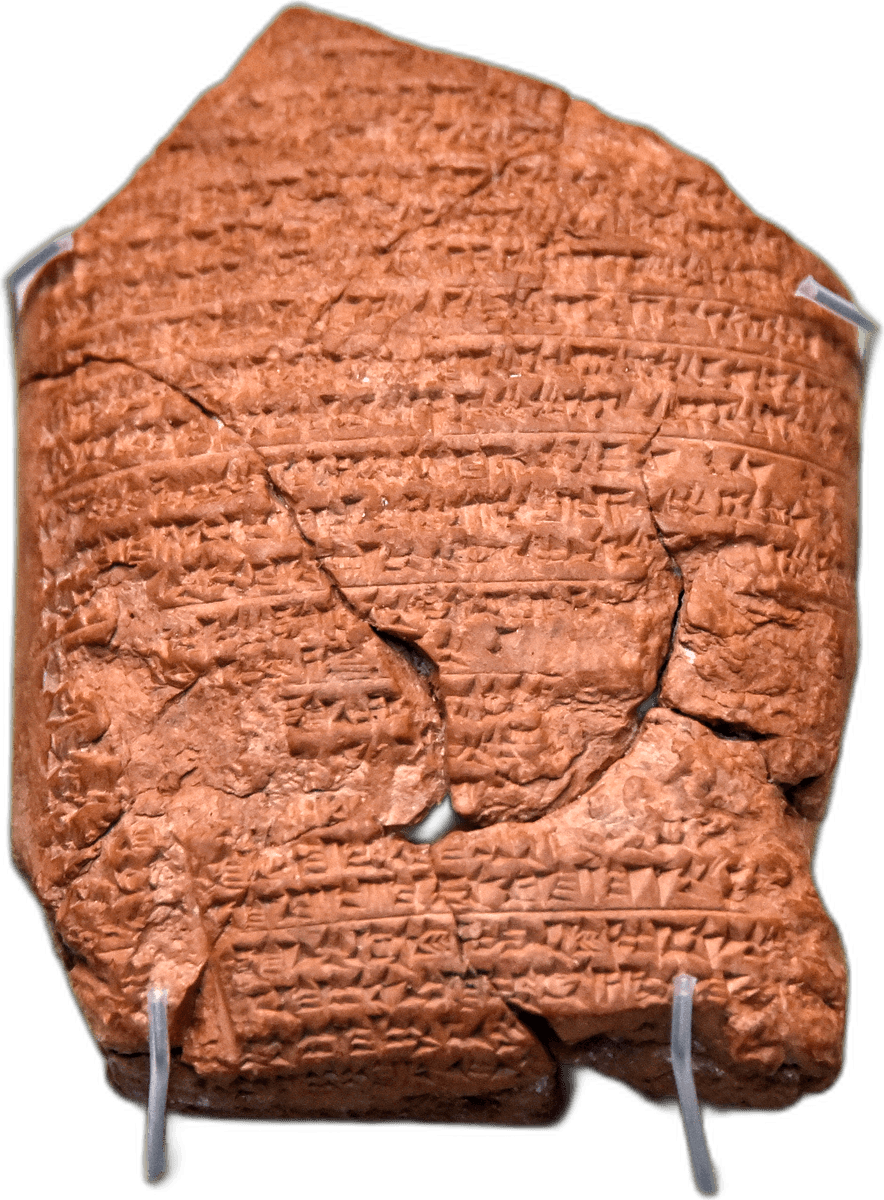
Babylonian Chronicles
c. 586 BC · Babylon, Iraq
Provide precise Babylonian dating for the conquest of Jerusalem and the beginning of the Jewish exile, confirming the biblical narrative with independent cuneiform records. The level of detail allows scholars to synchronize biblical chronology with Babylonian records to the exact day.
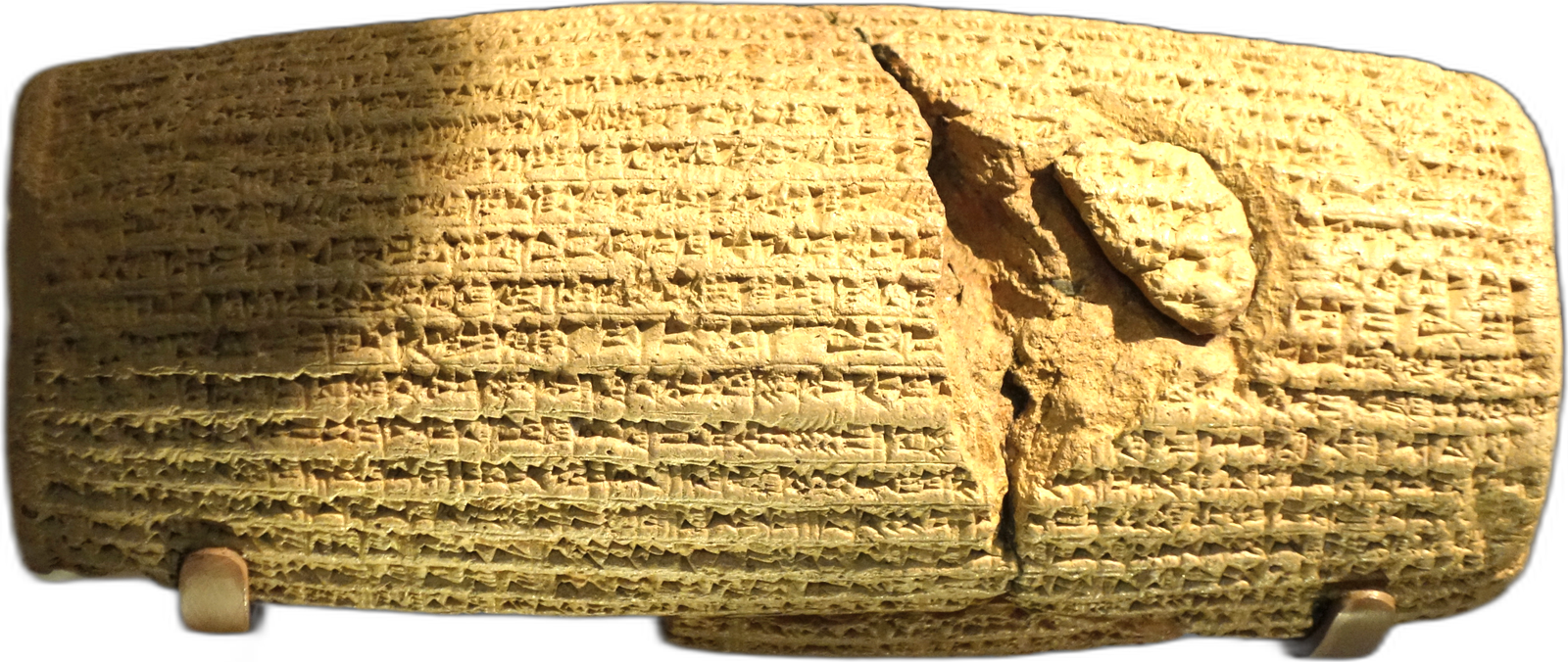
Cyrus Cylinder◇ 3D
Cyrus Cylinder
c. 539 BC · Babylon, Iraq
Confirms the biblical account of Cyrus's decree allowing the Jews to return from Babylonian exile, a pivotal moment in redemptive history. Sometimes called the 'first declaration of human rights,' it demonstrates the Persian policy of religious tolerance that made the restoration of Israel possible.
◇ 3D
Nabonidus Chronicle
c. 539 BC · Babylon, Iraq
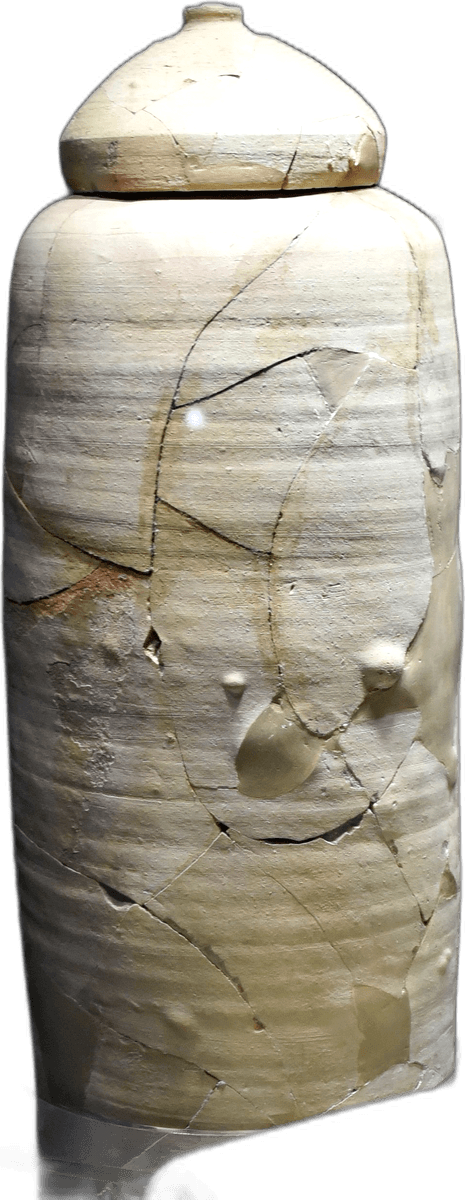
Confirms the fall of Babylon to Cyrus the Great and the transition to Persian rule described in Daniel 5-6 and Ezra 1. It also explains the role of Belshazzar as co-regent, resolving a long-standing question about why Daniel calls him 'king' when Nabonidus was the actual monarch.
Dead Sea Scrolls◇ 3D
Dead Sea Scrolls
c. 250 BC · Qumran, Israel
The oldest biblical manuscripts ever found, predating the next oldest Hebrew texts by roughly a millennium. They confirm the remarkable accuracy of the Masoretic scribal tradition and provide an unparalleled window into Jewish thought and practice in the centuries surrounding the life of Jesus.
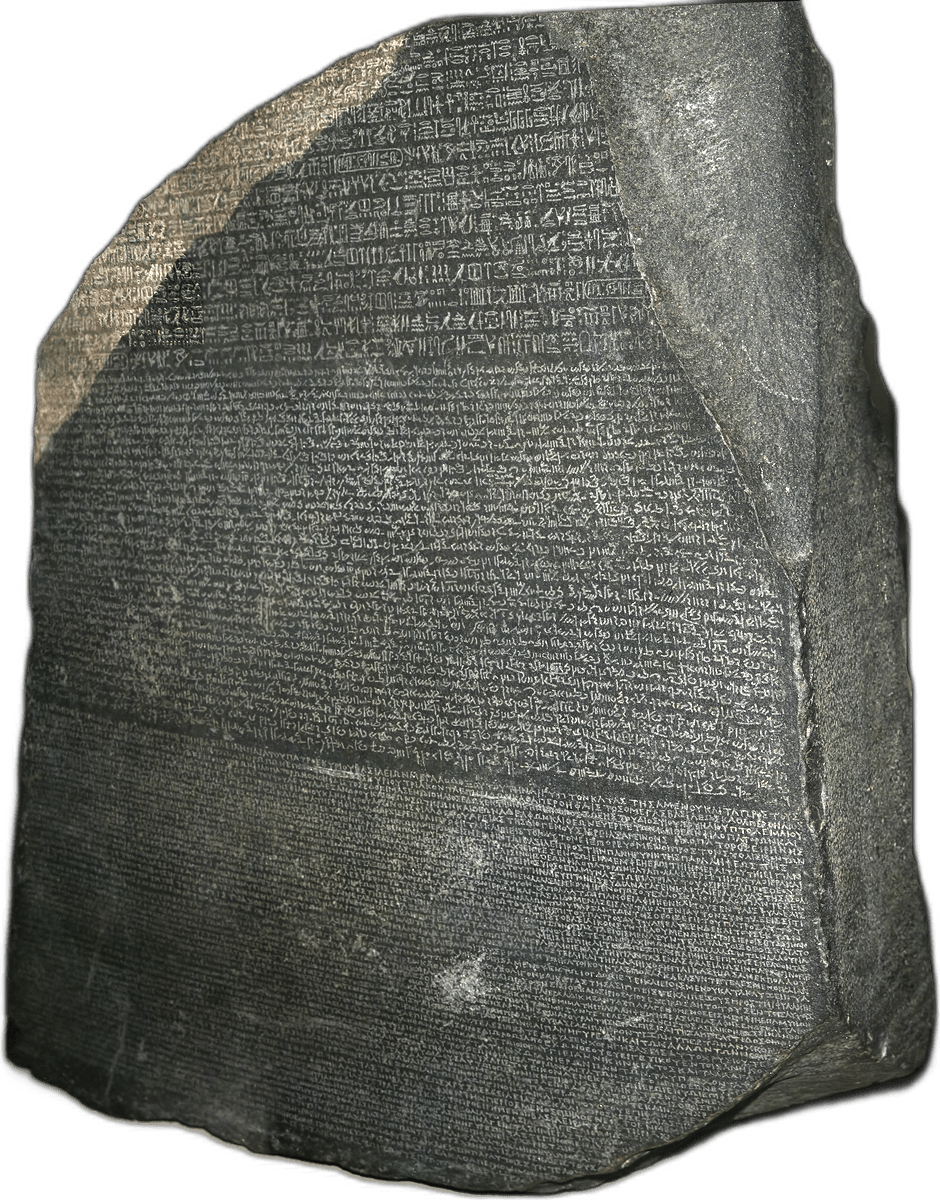
Rosetta Stone◇ 3D
Rosetta Stone
c. 196 BC · Rosetta, Egypt
The key that unlocked ancient Egyptian writing, enabling scholars to read thousands of inscriptions and papyri that illuminate the world of the Old Testament. Without it, the entire Egyptian backdrop of Genesis and Exodus would remain largely inaccessible.
B
Book of Giants (4Q530)
c. 100 BC · Qumran, Cave 4, Israel
Demonstrates that Second Temple Jews read the brief, cryptic Nephilim passage in Genesis 6 as the basis for an elaborate narrative tradition. Though not Scripture, it provides the clearest surviving window into how ancient Jewish readers interpreted the Nephilim: as real hybrid beings whose violence provoked divine judgment. Its discovery at Qumran places it alongside the biblical manuscripts the community copied and studied, showing it was taken seriously as theological reflection — but always as interpretation, not as inspired text.
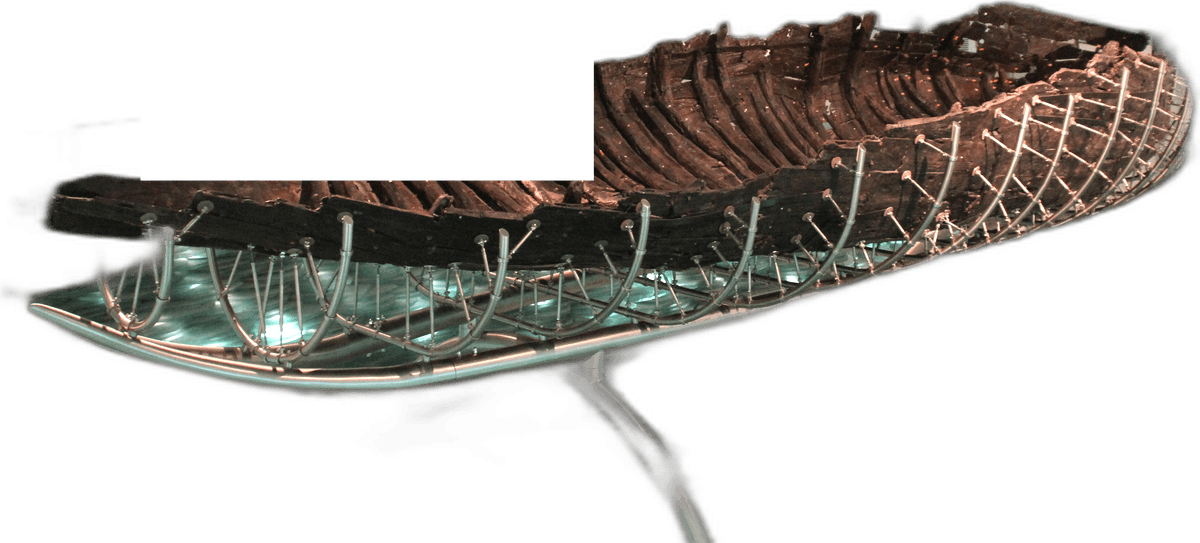
Galilee Boat (Jesus Boat)
c. 50 BC · Sea of Galilee, Israel
Provides a tangible connection to the fishing culture central to Jesus' Galilean ministry, where he called fishermen as disciples and taught from boats. It is the only surviving example of the type of vessel that figures prominently in Gospel narratives including the calming of the storm and the miraculous catch of fish.
Pool of Siloam
c. 8 BC · Jerusalem, Israel
Confirms a specific location mentioned in the Gospel of John, demonstrating that the author had accurate topographical knowledge of pre-destruction Jerusalem. The pool's large size and ritual function align perfectly with John's account of Jesus sending the blind man to wash there.

The Time of Jesus & the Church11

The Roman world of the New Testament — and the finds still debated

House of Peter at Capernaum
c. AD 1 · Capernaum, Israel
May be the actual house where Jesus stayed during his ministry in Capernaum, making it potentially the oldest identified Christian house of worship. The continuous veneration from the 1st century through the Byzantine period provides remarkable evidence for the historical memory preserved by the earliest Christian community.
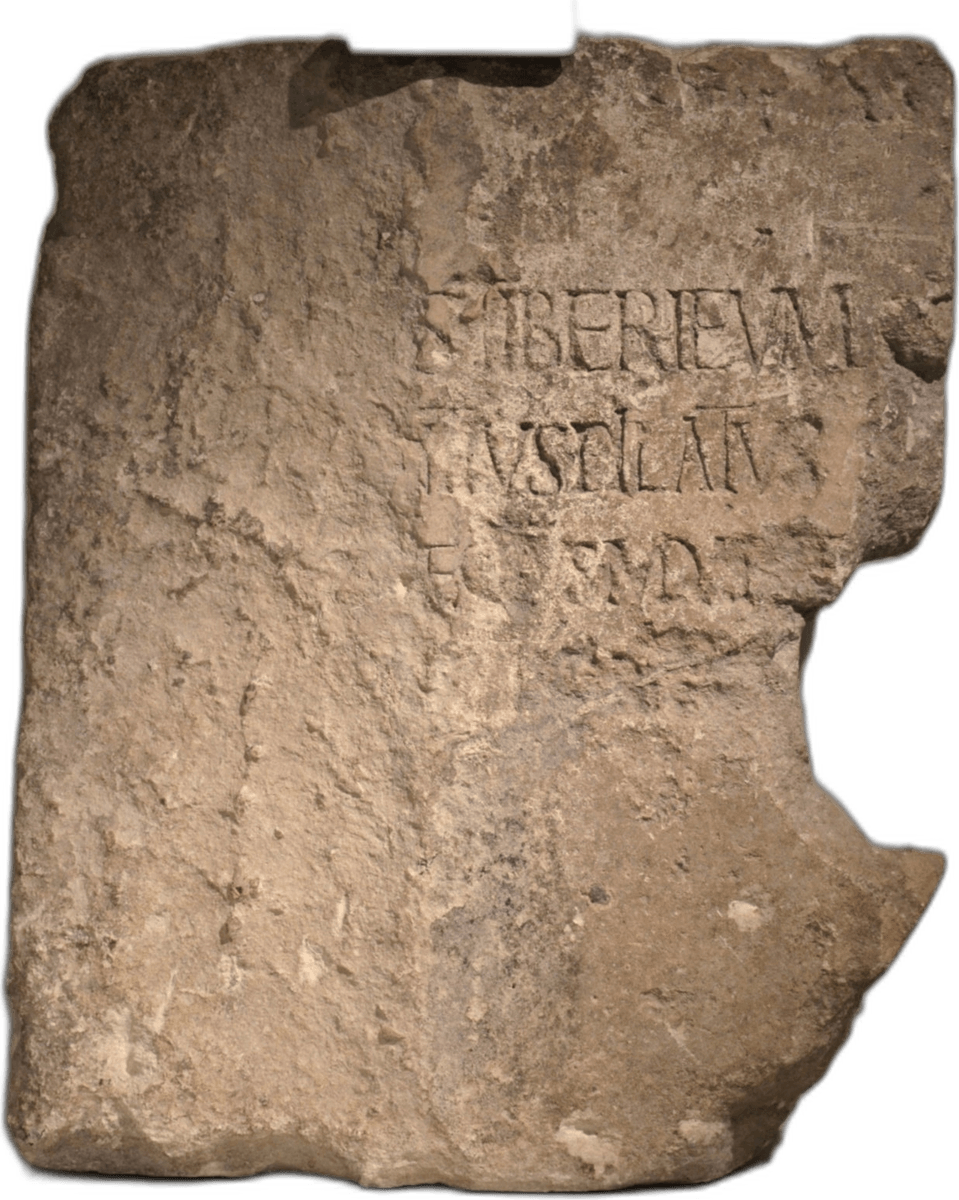
Pilate Stone
Pilate Stone
c. AD 26 · Caesarea Maritima, Israel
The first and only archaeological evidence directly naming Pontius Pilate and confirming his role as the Roman governor who presided over the trial and crucifixion of Jesus. It transformed Pilate from a purely literary figure into an archaeologically attested historical person.
Y
Yehohanan Ossuary (Crucified Man)
c. AD 30 · Giv'at ha-Mivtar, Jerusalem
The only surviving physical evidence of Roman crucifixion, silencing the mid-20th-century argument that crucifixion as described in the Gospels was historically implausible. It confirms specific Gospel details — the use of iron nails, the practice of families reclaiming bodies for proper burial, and that crucifixion victims in Judea sometimes received full Jewish burial rites like Jesus did.
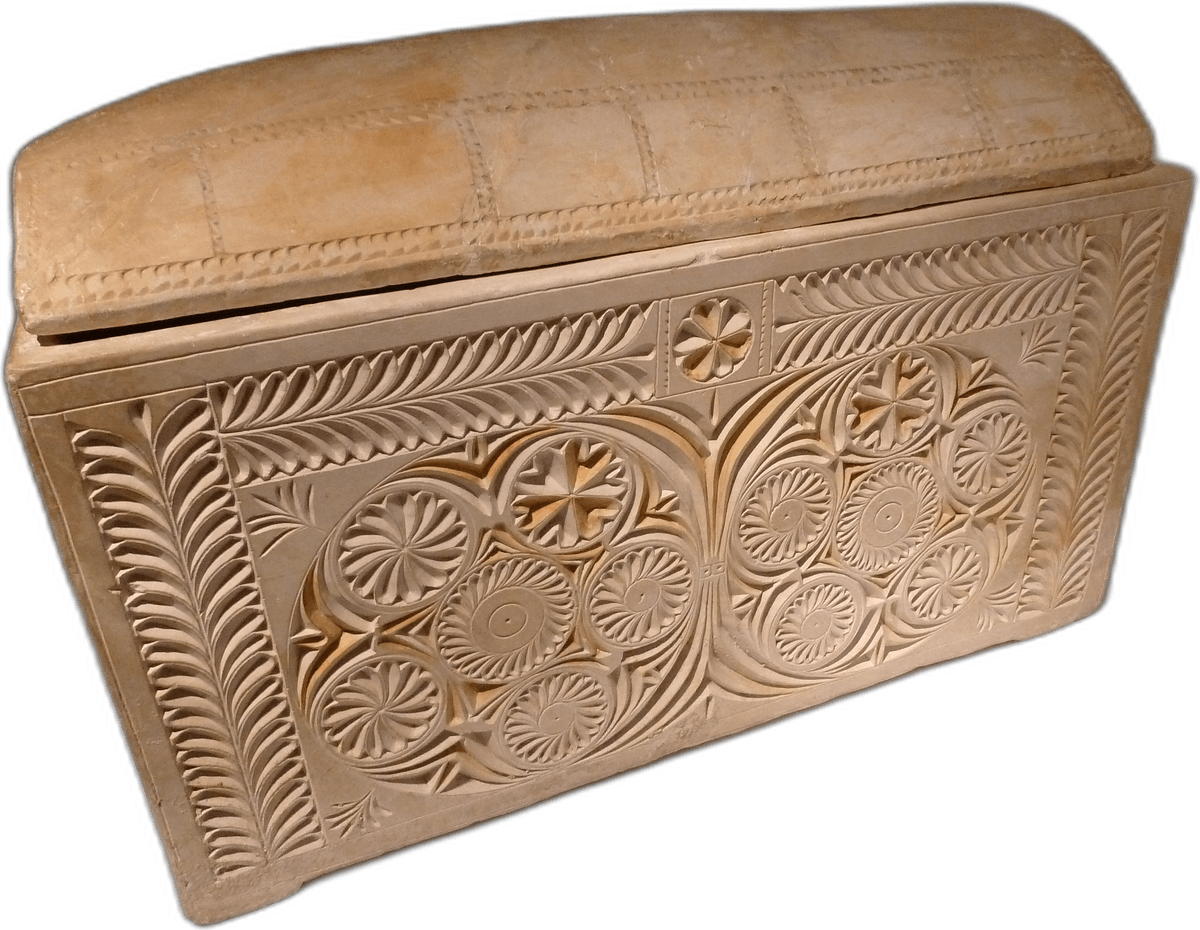
Caiaphas Ossuary
Caiaphas Ossuary
c. AD 30 · Jerusalem, Israel
Physical evidence of the high priest who orchestrated the trial and condemnation of Jesus, transforming a central Gospel figure from a literary character into an archaeologically attested person. The find also illuminates Jewish burial practices and the wealth of the priestly aristocracy in first-century Jerusalem.
Nazareth Inscription
c. AD 30 · Nazareth, Israel
May reflect Roman imperial awareness of early Christian proclamation of the resurrection, representing an attempt to provide an alternative explanation for the empty tomb. Whether or not it is directly connected to Jesus' resurrection, it demonstrates that disturbed graves were a serious concern for Roman authorities in the region during the relevant period.
James Ossuary
c. AD 62 · Jerusalem, Israel
Potentially the earliest archaeological reference to Jesus of Nazareth, and a tangible connection to the family of Jesus described in the Gospels and the leadership of the Jerusalem church. The controversy surrounding its authenticity has made it one of the most debated artifacts in biblical archaeology.
Derinkuyu Underground City
c. AD 200 · Derinkuyu, Cappadocia, Turkey
One of the most dramatic examples of how persecuted Christians survived and maintained their faith underground — literally. The presence of churches, baptisteries, and schools deep beneath the earth demonstrates that the early Church did not merely hide but continued to worship, teach, and baptize even under threat of death.
Alexamenos Graffito
c. AD 200 · Palatine Hill, Rome
The earliest known pictorial representation of the crucifixion of Jesus, confirming Paul's observation that 'the message of the cross is foolishness to those who are perishing' (1 Corinthians 1:18). It powerfully illustrates the social cost of early Christian faith — worshipping a crucified criminal was considered shameful and ridiculous in the Roman world.
Oxyrhynchus Papyri
c. AD 200 · Oxyrhynchus, Egypt
Contains some of the oldest known New Testament manuscripts, bridging the gap between the apostolic age and the great 4th-century codices like Sinaiticus and Vaticanus. The collection demonstrates that the Gospels and Epistles were being widely copied and circulated across provincial Egypt within a century of their composition, far from the urban centers where they were written.
Megiddo Mosaic
c. AD 230 · Tel Megiddo (Armageddon), Israel
Potentially the oldest Christian worship space ever discovered, predating Constantine's legalization of Christianity. The inscription 'to the God Jesus Christ' is one of the earliest archaeological attestations of Christian worship of Jesus as God, and the centurion donor suggests that even Roman soldiers were converting to Christianity before it was legal.
Madaba Mosaic Map
c. AD 560 · Madaba, Jordan
The oldest known map of the Holy Land and an invaluable guide to the biblical geography of ancient Israel. It confirms the locations of biblical cities and reveals how 6th-century Christians understood the sacred landscape of Scripture. Archaeologists still use it today to identify ancient sites.