Artifact
Nabonidus Chronicle
c. 539 BC
Confirms the fall of Babylon to Cyrus the Great and the transition to Persian rule described in Daniel 5-6 and Ezra 1. It also explains the role of Belshazzar as co-regent, resolving a long-standing question about why Daniel calls him 'king' when Nabonidus was the actual monarch.
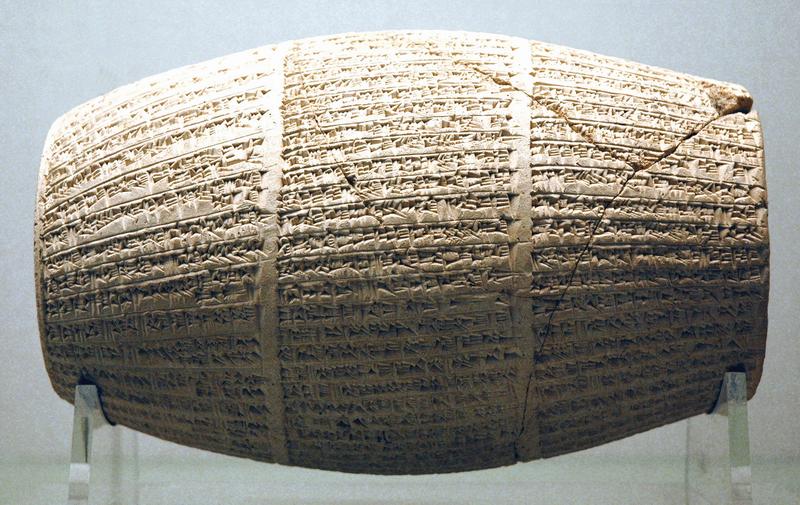
About this artifact
A cuneiform tablet first published by Theophilus Pinches in 1881 from the British Museum collection, recording the final years of the Neo-Babylonian Empire under King Nabonidus. The chronicle describes how Nabonidus spent years away from Babylon at the oasis of Tayma in Arabia, neglecting the New Year festival, while his son Belshazzar administered the capital — providing historical context for the 'Belshazzar's feast' narrative in Daniel 5. It records that Cyrus the Great's army entered Babylon 'without battle' on October 12, 539 BC, and that Cyrus himself entered the city on October 29, ending the Babylonian Empire and inaugurating the Persian period that would allow the Jewish exiles to return home.
A Babylonian record of King Nabonidus, who left his son Belshazzar ruling Babylon — the co-regency that explains how Belshazzar could be its last king on the night it fell.