Artifact
Ebla Tablets
c. 2400 BC
Demonstrate that the cities, customs, and cultural practices described in the patriarchal narratives of Genesis were historically plausible for the time period claimed by the Bible. The Ebla archive pushed back the known history of urban civilization in Syria by more than a millennium.
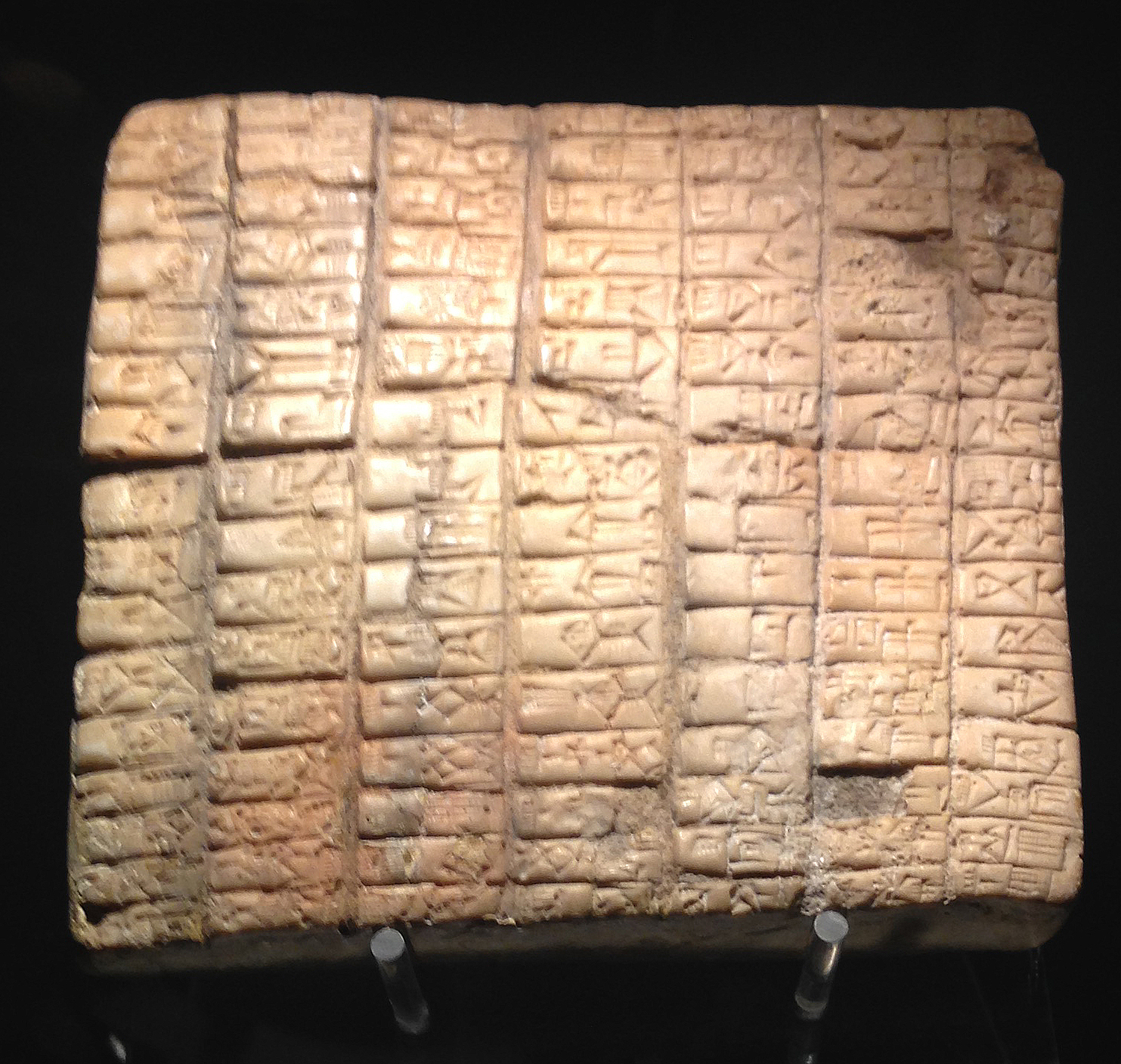
About this artifact
Discovered beginning in 1975 by Italian archaeologist Paolo Matthiae and epigrapher Alfonso Archi at Tell Mardikh in northwestern Syria, the site of the ancient city of Ebla. The archive of over 20,000 cuneiform tablets, dating to approximately 2400 BC, revealed that Ebla was a thriving commercial empire a thousand years before Moses. Written in Sumerian and a previously unknown Semitic language called Eblaite, the tablets contain economic records, diplomatic correspondence, literary texts, and lexical lists. They reference cities such as Sodom, Gomorrah, and other 'cities of the plain' mentioned in Genesis 14, and describe customs related to marriage, inheritance, and treaty-making that closely parallel patriarchal practices.