Artifact
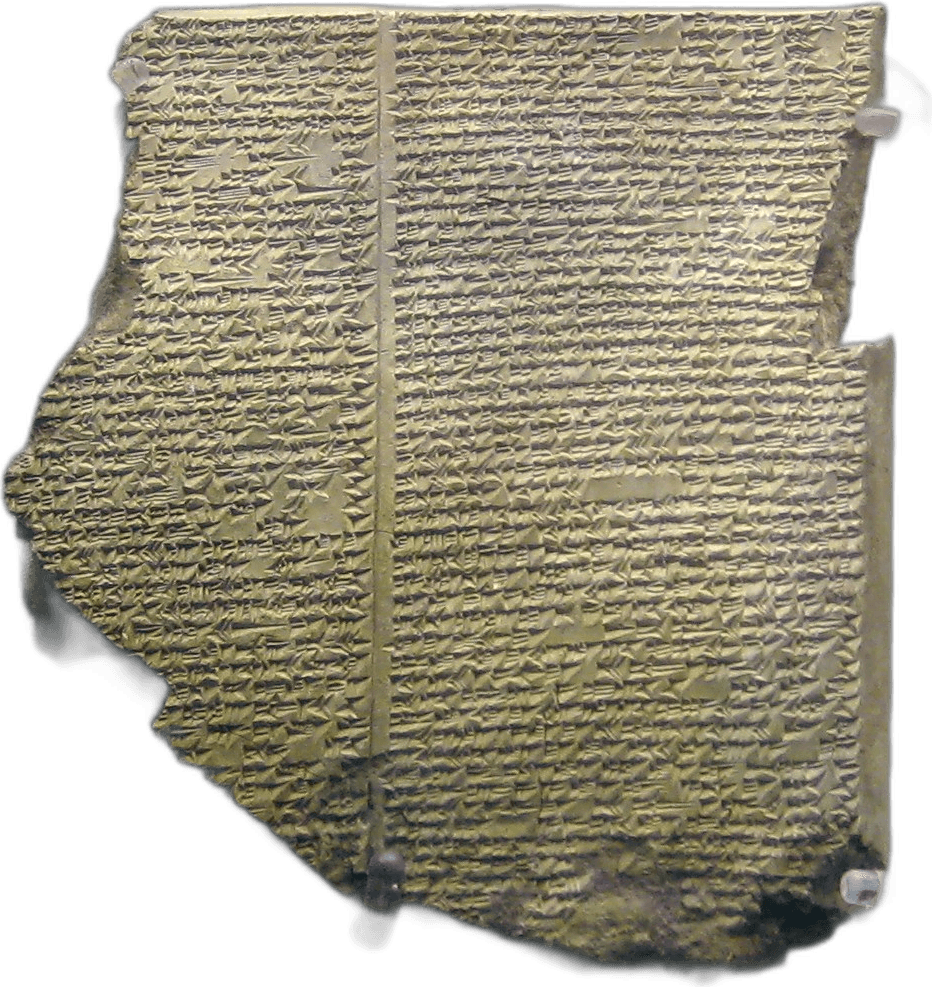
Epic of Gilgamesh Flood Tablet
c. 2100 BC
The most famous ancient Near Eastern parallel to the biblical flood narrative, demonstrating that the memory of a catastrophic deluge was deeply embedded across Mesopotamian cultures long before the biblical text was written. Flood traditions appear in cultures worldwide, from Mesopotamia to India to Native American peoples.
About this artifact
The flood narrative on Tablet XI of the Epic of Gilgamesh was identified in 1872 by George Smith, a self-taught Assyriologist at the British Museum, who reportedly jumped up and began undressing in excitement when he realized what he was reading. The cuneiform tablet had been excavated from the library of King Ashurbanipal at Nineveh (modern Mosul, Iraq) by Hormuzd Rassam in the 1850s. The story describes how the god Ea warned Utnapishtim of a coming flood, instructed him to build a boat, bring aboard his family and animals, and survive a catastrophic deluge — paralleling the Genesis account of Noah with remarkable similarity including a dove, a raven, and a sacrifice after the waters receded. The Babylonian version dates to roughly 2100 BC in its earliest form, making it one of the oldest literary works in human history.
Tablet XI of the Babylonian Epic of Gilgamesh, copied at Nineveh and deciphered in 1872 — its hero builds a boat, survives a great deluge, and releases birds, echoing Noah across a thousand years of shared Near Eastern memory.