Artifact
Babylonian Chronicles
c. 586 BC
Provide precise Babylonian dating for the conquest of Jerusalem and the beginning of the Jewish exile, confirming the biblical narrative with independent cuneiform records. The level of detail allows scholars to synchronize biblical chronology with Babylonian records to the exact day.
About this artifact
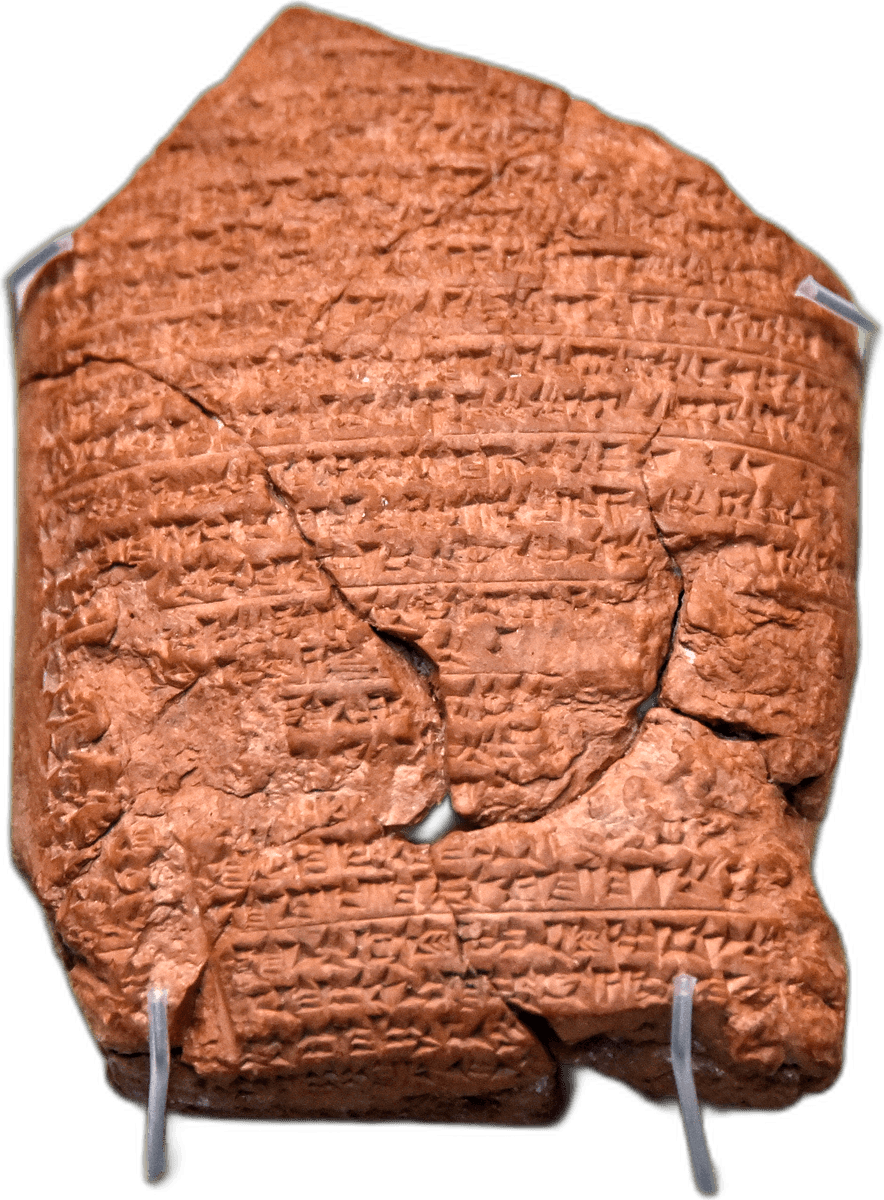
A series of cuneiform tablets recording major events of the Neo-Babylonian Empire, first published by Theophilus Pinches in 1887 from tablets housed in the British Museum, with additional tablets identified by Donald Wiseman in 1956. The chronicles cover the reigns of Nabopolassar and Nebuchadnezzar II, recording with remarkable precision the capture of Jerusalem on the second day of Adar (March 16, 597 BC) — matching the account in 2 Kings 24:10-17. They also document the Battle of Carchemish in 605 BC (Jeremiah 46:2), Nebuchadnezzar's campaigns against Egypt, and other events that shaped the world of the biblical prophets Jeremiah, Ezekiel, and Daniel.
Babylon's own dated record of Nebuchadnezzar's reign — it pins the fall of Jerusalem to a precise day in 597 BC, matching 2 Kings and anchoring the chronology of the exile to the cuneiform calendar.