Artifact
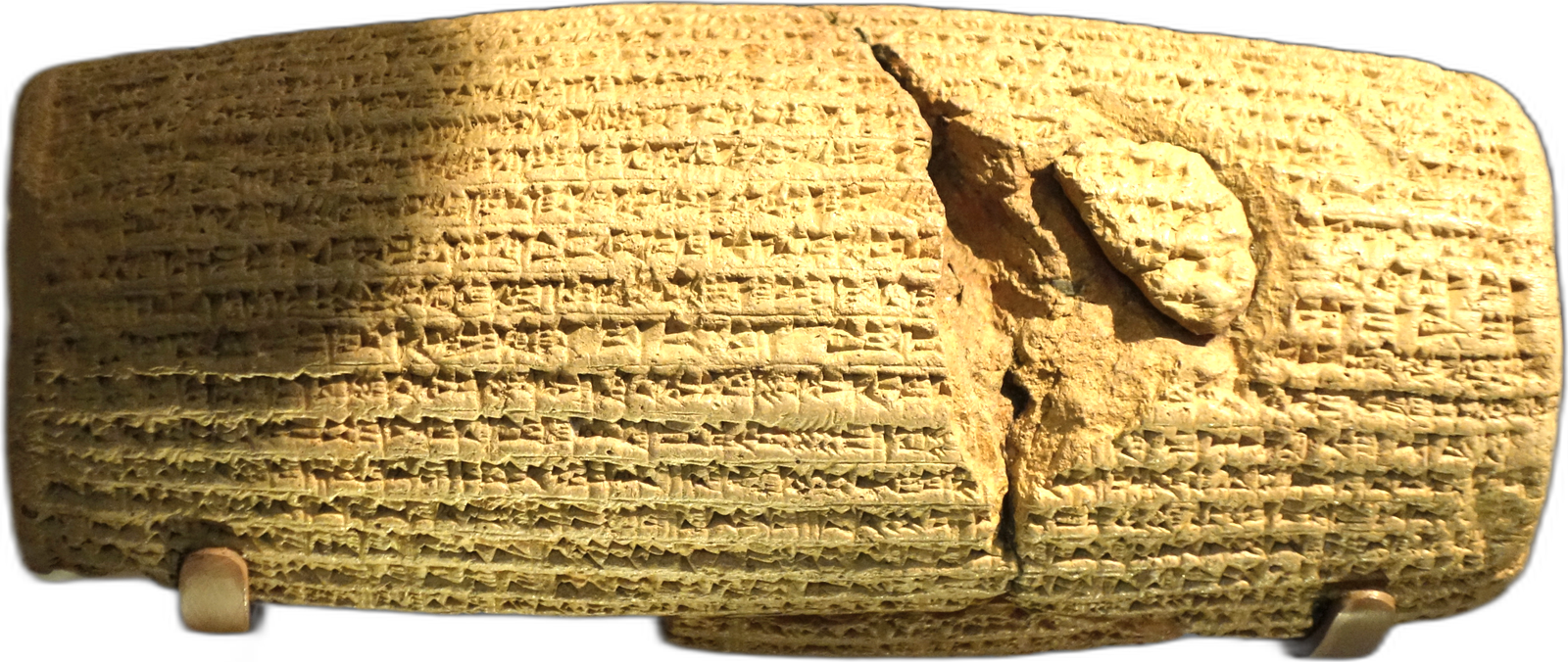
Cyrus Cylinder
c. 539 BC
Confirms the biblical account of Cyrus's decree allowing the Jews to return from Babylonian exile, a pivotal moment in redemptive history. Sometimes called the 'first declaration of human rights,' it demonstrates the Persian policy of religious tolerance that made the restoration of Israel possible.
About this artifact
Discovered in 1879 by Assyriologist Hormuzd Rassam during excavations at the site of ancient Babylon in modern Iraq. This barrel-shaped clay cylinder was inscribed in Akkadian cuneiform on the orders of Cyrus the Great after his conquest of Babylon in 539 BC. It records Cyrus's policy of allowing displaced peoples to return to their homelands and restore their temples — a policy that directly confirms the decree recorded in Ezra 1:1-4 permitting the Jewish exiles to return to Jerusalem and rebuild the Temple. The cylinder also credits the Babylonian god Marduk with choosing Cyrus, while the Bible credits Yahweh (Isaiah 45:1), offering a fascinating dual perspective on the same historical event.
Issued when Cyrus of Persia took Babylon in 539 BC, bringing the exile to its end — its policy of sending captive peoples home mirrors the decree that returned the Jews to rebuild Jerusalem.