Artifact
Oxyrhynchus Papyri
c. AD 200
Contains some of the oldest known New Testament manuscripts, bridging the gap between the apostolic age and the great 4th-century codices like Sinaiticus and Vaticanus. The collection demonstrates that the Gospels and Epistles were being widely copied and circulated across provincial Egypt within a century of their composition, far from the urban centers where they were written.
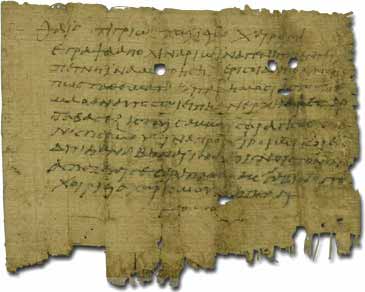
About this artifact
A vast collection of over 500,000 papyrus fragments discovered beginning in 1897 by Oxford scholars Bernard Grenfell and Arthur Hunt in an ancient rubbish dump at Oxyrhynchus (modern el-Bahnasa) in central Egypt. The dry climate preserved an astonishing range of documents spanning nearly a thousand years, from the Ptolemaic through the early Islamic periods. Among the tens of thousands of texts are some of the earliest surviving fragments of the New Testament — including pieces of Matthew, John, Romans, Hebrews, James, and Revelation dating to the 2nd and 3rd centuries. The collection also yielded fragments of early Christian writings not found in the Bible, such as the Gospel of Thomas and the Shepherd of Hermas, as well as lost works of classical Greek literature. Over a century later, scholars are still cataloguing and publishing fragments from this inexhaustible archive.