Artifact
Code of Hammurabi
c. 1750 BC
Demonstrates the sophisticated legal culture of the ancient Near East during the patriarchal period and provides the most important comparative backdrop for understanding the Law of Moses. The theological differences — Hammurabi receives law from a god, while Moses mediates a covenant between Yahweh and his people — highlight the distinctive nature of biblical law.
About this artifact
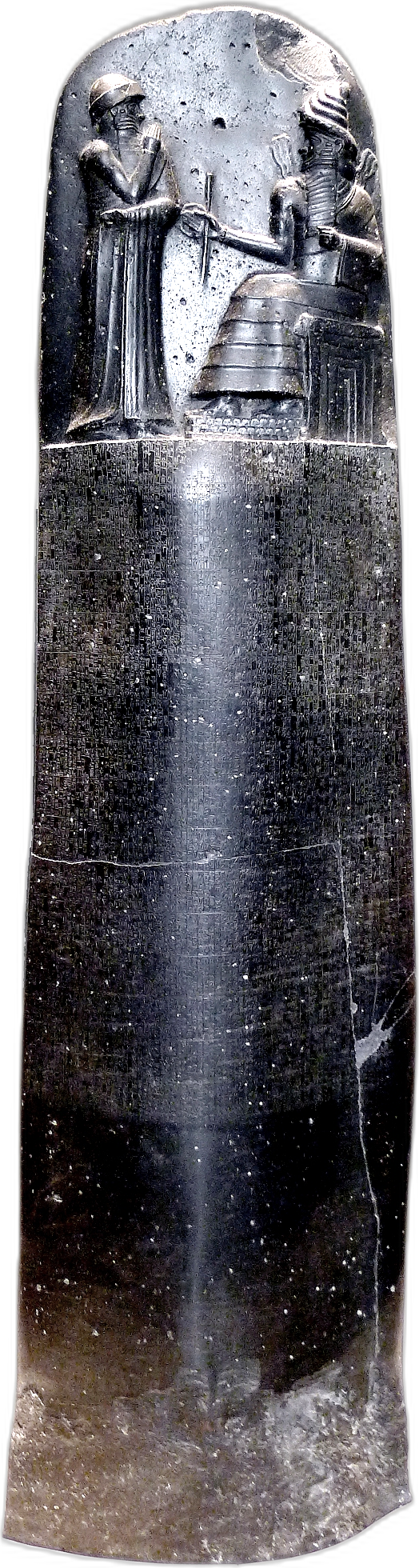
Discovered in December 1901 by French archaeologist Jacques de Morgan during excavations at Susa in modern Iran, where it had been carried as war plunder from Babylon by the Elamite king Shutruk-Nahhunte around 1160 BC. The seven-foot-tall black diorite stele contains 282 laws issued by King Hammurabi of Babylon around 1750 BC, covering everything from property disputes and marriage contracts to medical malpractice and construction standards. The top of the stele features a carved relief showing Hammurabi receiving authority from the sun god Shamash. Dating to roughly the era of the biblical patriarchs, the code shares striking parallels with Mosaic law — including 'an eye for an eye' — while differing fundamentally in its class-based penalties and lack of a covenantal relationship between god and people.
Carved in Babylon around 1750 BC — roughly the age of the patriarchs and centuries before Moses — it shows the ancient legal world into which the Law of Sinai would later speak.