Artifact
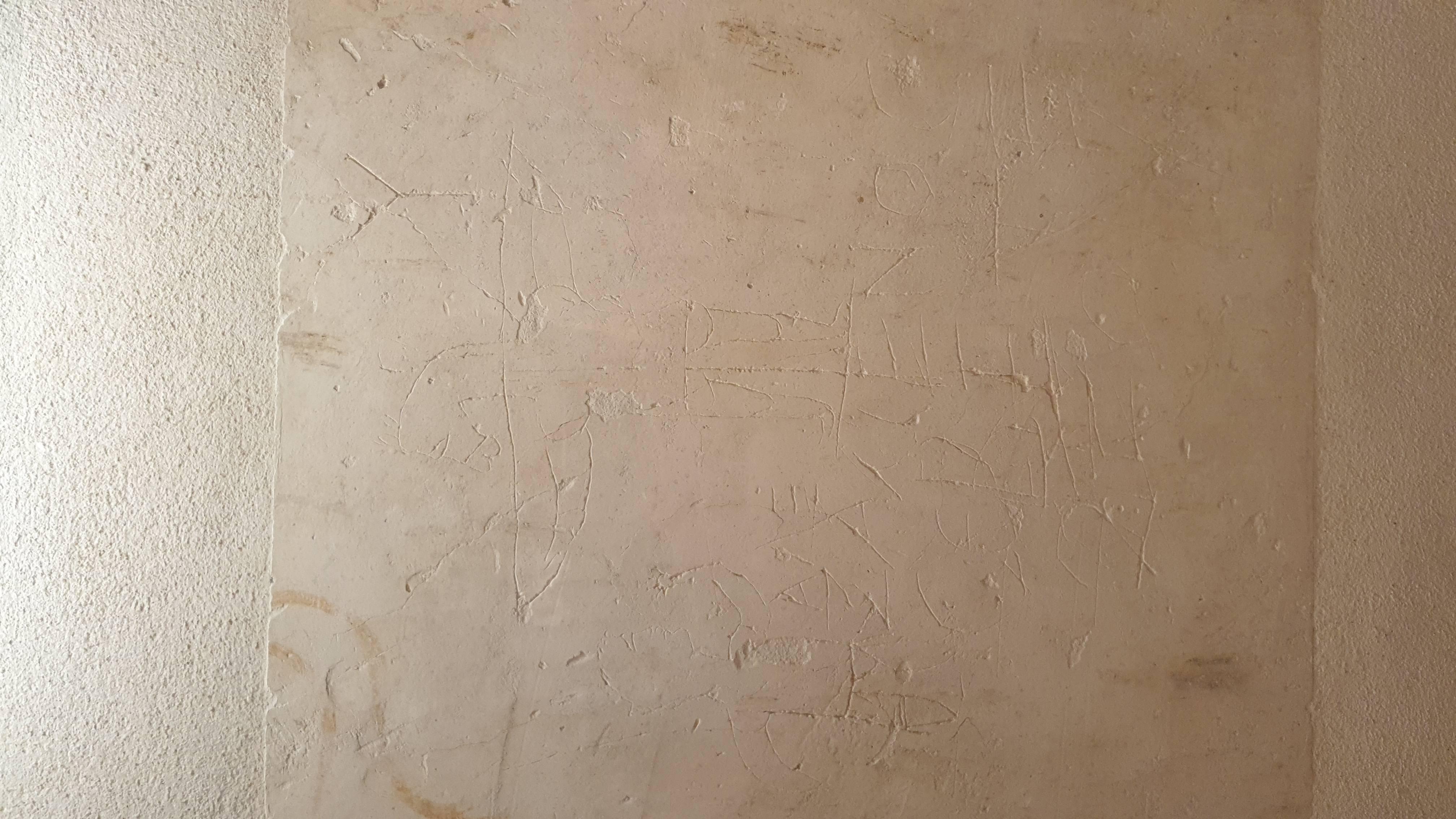
Alexamenos Graffito
c. AD 200
The earliest known pictorial representation of the crucifixion of Jesus, confirming Paul's observation that 'the message of the cross is foolishness to those who are perishing' (1 Corinthians 1:18). It powerfully illustrates the social cost of early Christian faith — worshipping a crucified criminal was considered shameful and ridiculous in the Roman world.
About this artifact
Discovered in 1857 during excavations of a Roman imperial building on the Palatine Hill, this crude wall scratching is one of the earliest known depictions of the crucifixion of Jesus — and it was meant as an insult. The graffito shows a man raising his hand in worship toward a figure on a cross who has the head of a donkey, with the mocking inscription in Greek: 'Alexamenos worships his god.' Dating to approximately 200 AD, it reveals that Roman pagans were fully aware that Christians worshipped a crucified man and considered it absurd. A nearby inscription reading 'Alexamenos is faithful' may be a defiant response scratched by the Christian himself or a sympathizer.