Artifact
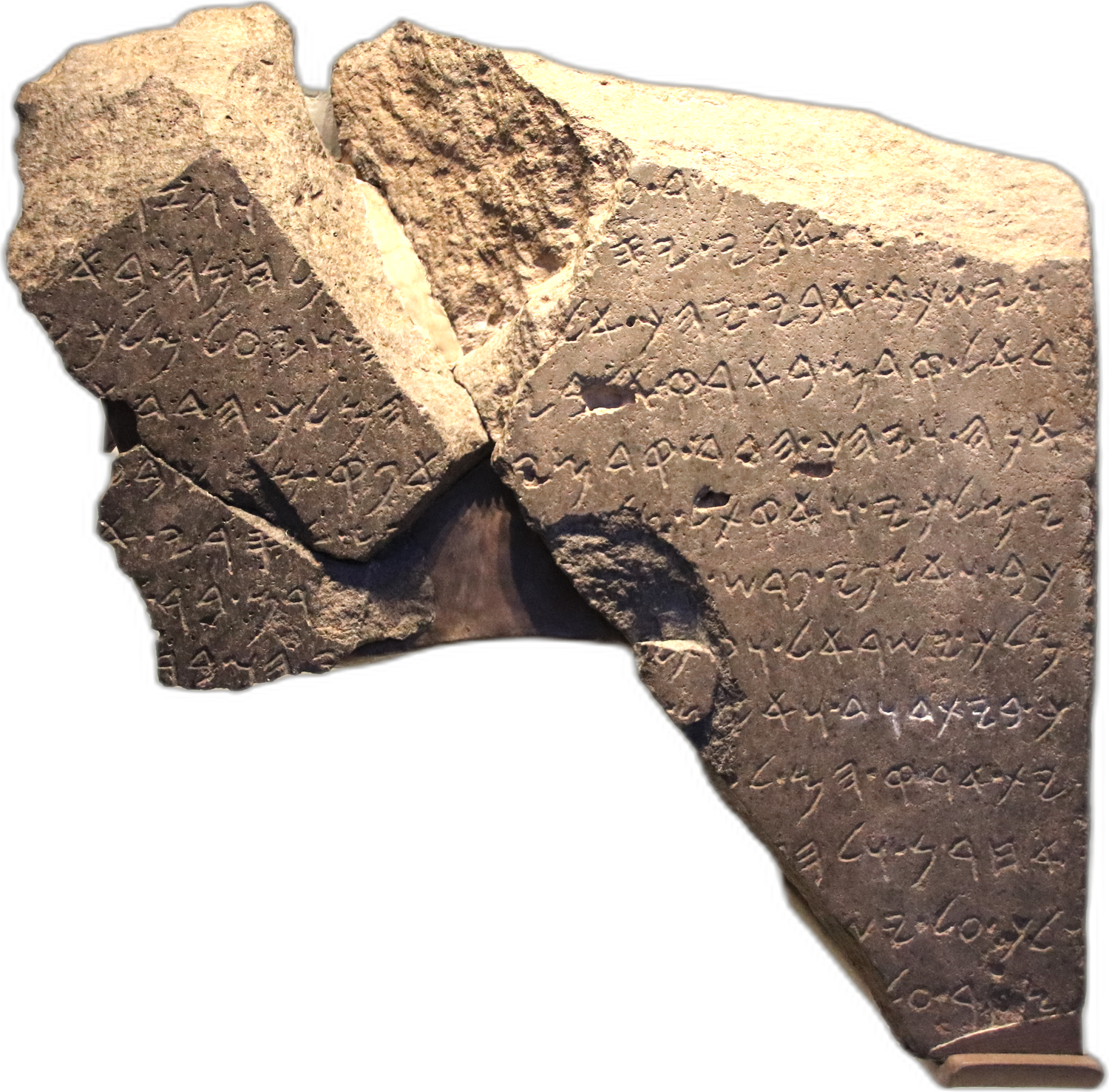
Tel Dan Stele
c. 840 BC
The first extra-biblical evidence confirming the existence of King David's dynasty, silencing scholarly skepticism that had questioned whether David was a historical figure. It remains one of the most important biblical archaeology discoveries of the 20th century.
About this artifact
Discovered in 1993 by archaeologist Avraham Biran and his team during excavations at Tel Dan in northern Israel, with additional fragments found in 1994. The basalt stele, dating to approximately 840 BC, was erected by Hazael, king of Aram-Damascus, boasting of his military victories over Israel and Judah. Crucially, it contains the phrase 'House of David' (bytdwd), the earliest known reference to King David's royal dynasty outside the Bible. The inscription corroborates the biblical account in 2 Kings 8-10 of Aramean aggression against Israel during this period.
Erected during the wars between Aram-Damascus and the kingdoms of Israel and Judah — roughly a century after David and Solomon's united monarchy split in two.