Artifact
Dead Sea Scrolls
c. 250 BC
The oldest biblical manuscripts ever found, predating the next oldest Hebrew texts by roughly a millennium. They confirm the remarkable accuracy of the Masoretic scribal tradition and provide an unparalleled window into Jewish thought and practice in the centuries surrounding the life of Jesus.
About this artifact
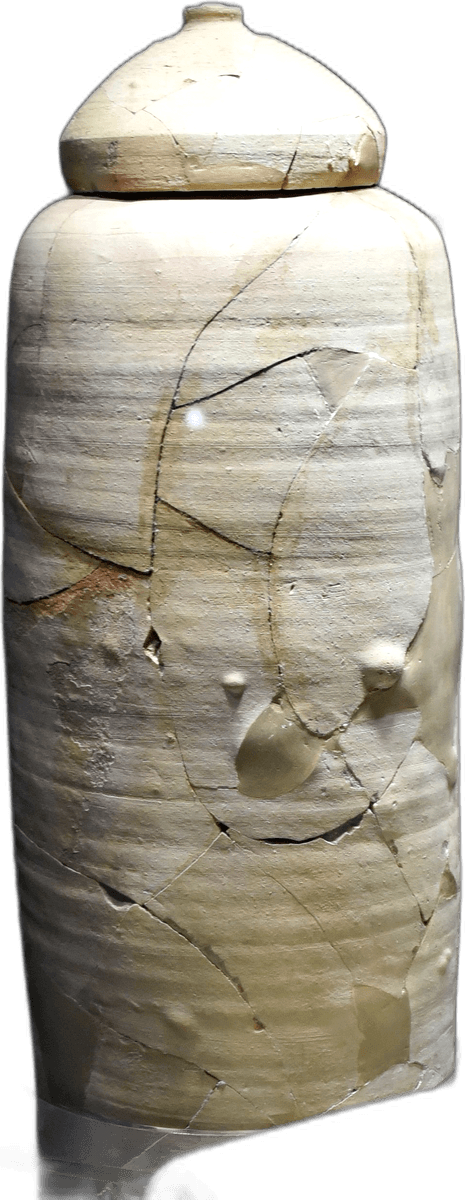
Discovered in 1947 by Bedouin shepherd Muhammad edh-Dhib, who stumbled upon clay jars containing ancient scrolls in a cave near the northwestern shore of the Dead Sea at Qumran. Subsequent excavations between 1947 and 1956 uncovered fragments from over 900 manuscripts in eleven caves, dating between approximately 250 BC and 68 AD. The collection includes every book of the Hebrew Bible except Esther, along with sectarian community documents, commentaries, and apocalyptic texts belonging to an ascetic Jewish community likely the Essenes. The Great Isaiah Scroll (1QIsa-a), containing the complete text of Isaiah, demonstrated that the book had been transmitted with extraordinary fidelity over more than a thousand years.
Copied at Qumran in the last centuries before Christ — a thousand years older than any Bible manuscript known before them, and a stunning witness to how carefully the Hebrew Scriptures were preserved.